

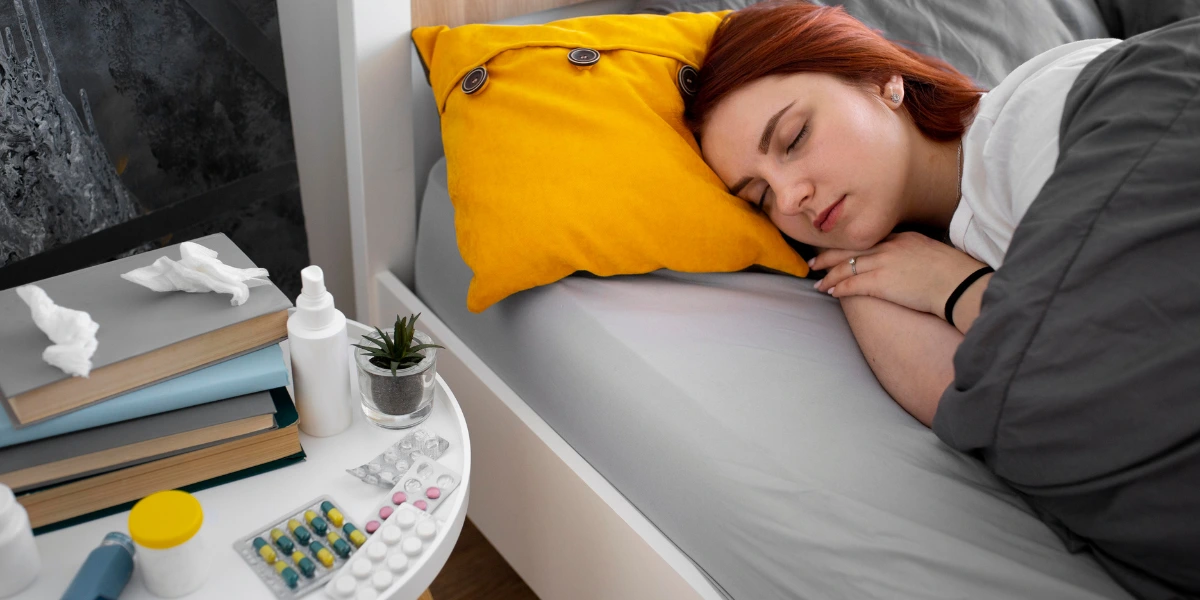
How to Sleep Better Without Medicine- Are you having trouble sleeping at night? You’re not alone. According to the Centres for Disease Control and Prevention, millions of adults report experiencing poor or disturbed sleep. Sleeping pills may seem like a quick fix, but many people are finding safe, long-lasting ways to sleep better without medication.
The good news is that you don’t always need a prescription to fix your sleep problems. You can gradually adjust your body’s rhythms with simple lifestyle changes and natural sleep aids, helping you enjoy deeper, more restorative sleep.
Why Quality Sleep Matters More Than You Think
How to Sleep Better Without Medicine- Sleep isn’t just “rest time.” It’s when your body repairs tissue, balances your hormones, strengthens your immune system, and strengthens your memories. Poor sleep can negatively impact:
- Mood and emotional balance
- Focus and memory
- Heart health
- Blood sugar regulation
- Weight management
Chronic sleep deprivation increases your risk of illnesses like depression, obesity, type 2 diabetes, and heart disease. Therefore, learning natural ways to sleep well is crucial for overall health.
1. Try Natural Bedtime Drinks
How to Sleep Better Without Medicine- Some calming drinks can help relax your body before bed. While scientific evidence varies, these remedies are completely safe for most people and worth trying-
Warm Milk
How to Sleep Better Without Medicine- Warm milk has long been linked to better sleep. Warm milk contains tryptophan, an amino acid that helps the body produce serotonin, which plays a role in the sleep-wake cycle. The comforting warmth itself can create a relaxing pre-bedtime ritual.
Chamomile Tea
How to Sleep Better Without Medicine- Chamomile tea is caffeine-free and contains flavonoids that may interact with relaxation receptors in the brain. Drinking a cup of tea 30–45 minutes before bedtime can signal to your body that it’s time to rest.
Tart Cherry Juice
How to Sleep Better Without Medicine- Tart cherries naturally contain melatonin, a hormone that regulates sleep. Drinking a small glass of tart cherry juice in the evening can support a healthy sleep cycle.
Avoid alcohol to help you sleep. While it may help you fall asleep initially, it can disrupt deep sleep later in the night and leave you feeling restless.
2. Exercise – But Time It Right
How to Sleep Better Without Medicine- Physical activity, if done regularly, is one of the most effective natural sleep aids. Moderate aerobic exercise can promote slow-wave (deep) sleep, the most restorative stage.
Timing matters. Intense workouts release endorphins and raise your core body temperature, which can make you feel energized. Try to finish exercising at least two hours before bedtime so your body can cool down naturally.
How to Sleep Better Without Medicine- Even light activities like evening walks, yoga, or stretching can significantly improve sleep quality over time.
3. Consider Melatonin Supplements Carefully
Melatonin is a hormone naturally released by the brain when light levels decrease. It helps signal that it’s time to sleep. However, exposure to artificial light from phones, TVs, and laptops can delay melatonin production.
Low-dose melatonin supplements are available without a prescription and may help reset your sleep schedule, especially if you:
- have jet lag
- work night shifts
- have trouble falling asleep
Important tip: Choose a reputable brand and stick with it, as supplements are not strictly regulated. Always consult a healthcare provider if you’re unsure about dosage.
4. Keep Your Bedroom Cool
How to Sleep Better Without Medicine- Temperature plays a significant role in sleep quality. Experts recommend keeping your bedroom temperature between 65°F and 72°F (18–22°C) for maximum comfort.
A cool environment helps the body’s core temperature naturally decrease, signaling that it’s time to sleep. Wearing breathable fabrics like cotton and using light bedding can also help prevent overheating.
If you experience night sweats or hot flashes, lowering the room temperature can make a significant difference.
5. Reduce Light Exposure at Night
How to Sleep Better Without Medicine- You may have noticed that light is the biggest obstacle to sleep in today’s life.
Blue light from TV screens reduces melatonin production, making it difficult to fall asleep. You can try these things to naturally improve your sleep:
- Turn off screens at least 30–60 minutes before bedtime
- Use night mode or a blue-light filter
- Keep bedroom lights dim
If you have to wake up during the night, avoid bright overhead lights. A small flashlight or soft nightlight is less stimulating and can make it easier to fall back asleep.
And remember—it’s normal to wake up briefly during the night. It may take 20–30 minutes to fall asleep again, and that’s perfectly okay.
6. Build a Consistent Sleep Routine
How to Sleep Better Without Medicine- One of the most effective natural ways to sleep is to have a regular sleep schedule. You may try these tips:
- Go to bed at the same time every night
- Wake up at the same time every morning
- Create a relaxing routine before bed
Your body thrives on rhythm. When you maintain a regular sleep schedule, your internal clock (circadian rhythm) becomes more stable, making it easier to fall asleep naturally. And you can sleep soundly without any effort.
7. Create a Relaxing Wind-Down Routine
How to Sleep Better Without Medicine- Excessive work stress and overthinking are common causes of sleep disturbances. Focus on calming activities before bed, such as-
- Deep breathing exercises
- Gentle stretching
- Journaling
- Reading a book
- Listening to soft instrumental music
Avoid stimulating activities like checking email, scrolling through social media, or watching intense shows.
Final Thoughts- You Don’t Always Need Sleeping Pills
How to Sleep Better Without Medicine- If you’re wondering how to sleep better without medication, start small. Change your bedtime habits, dim your lights, manage stress, and experiment with natural sleep aids.
While severe or chronic sleeplessness should be discussed with a healthcare professional, many sleep problems can be addressed with simple lifestyle changes. Natural remedies may not work overnight, but when followed regularly, they can help restore your body’s natural sleep rhythm safely and effectively.
Good sleep isn’t about perfection. It’s about creating the right environment and habits so your body can do what it’s designed to do: rest, repair, and recharge.